Unlocking Your Vitality: A Knowledge Hub for Men's Health
Explore the essentials of natural supplements, balanced nutrition, and lifestyle choices for sustained well-being.

Understanding Core Nutrients for Men
Vitamins and minerals play essential roles in maintaining optimal health and supporting various physiological functions. Vitamin D, for example, contributes to calcium absorption and bone health. B-complex vitamins support energy metabolism, helping your body convert food into fuel. Zinc is important for immune function and cellular growth, while Magnesium supports muscle function and energy production.
Key Nutrients Explained
- Vitamin D: Supports bone health, immune function, and mood regulation
- B-Complex Vitamins: Essential for energy metabolism and nervous system health
- Zinc: Supports immune response and protein synthesis
- Magnesium: Promotes muscle relaxation and energy production
- Selenium: Acts as an antioxidant and supports thyroid function
A balanced diet rich in these nutrients is fundamental to maintaining overall health and well-being.
The Role of Diet in Male Health
Nutrition forms the foundation of good health. Consuming whole foods, including plenty of vegetables, fruits, whole grains, and lean proteins, provides the nutrients your body needs to function optimally.
Dietary Guidelines
- Include a variety of colorful vegetables for antioxidants
- Choose whole grains over refined carbohydrates
- Incorporate lean proteins like fish, poultry, and legumes
- Include healthy fats from nuts, seeds, and olive oil
- Stay hydrated with adequate water intake

Lifestyle Factors for Optimal Well-being
Beyond nutrition, several lifestyle factors contribute significantly to your overall health and well-being. Regular physical activity strengthens muscles, supports cardiovascular health, and boosts mental well-being. Adequate sleep allows your body to recover and regenerate. Stress management through meditation, breathing exercises, or hobbies helps maintain emotional balance. Proper hydration supports all bodily functions.
Physical Activity
Regular exercise strengthens the body, supports cardiovascular health, and enhances mood through natural endorphin production.
Quality Sleep
Aim for 7-9 hours of quality sleep to allow your body to repair and restore itself for optimal functioning.
Stress Management
Incorporate stress-reduction techniques like meditation, yoga, or spending time in nature to maintain mental clarity.
Hydration
Drinking adequate water supports digestion, energy levels, and all metabolic processes in your body.

Natural Ingredients for Energy and Focus
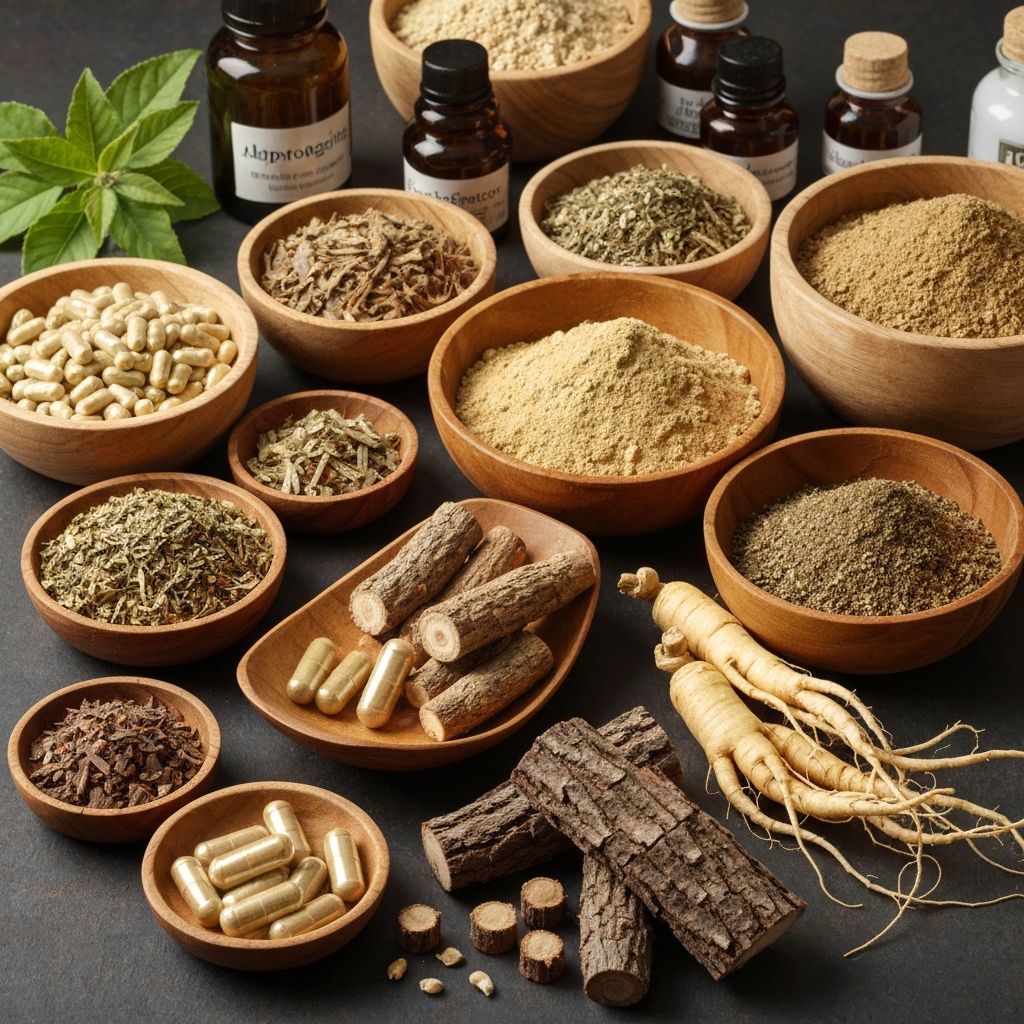
Nature provides numerous plant-based compounds that have been traditionally used to support energy levels and mental clarity. Adaptogens like Ashwagandha and Ginseng have been studied for their potential to help the body manage stress naturally.
Common Adaptogenic Herbs
- Ashwagandha: Traditionally used to support stress response and energy
- Ginseng: Known for its potential to support vitality and focus
- Rhodiola: May help support mental and physical performance
- Cordyceps: Traditionally associated with energy support
Debunking Common Myths About Supplements
There are many misconceptions surrounding dietary supplements. Understanding the facts helps you make informed decisions about your health.
Myth: All Supplements Are Regulated the Same
Reality: Supplement regulations vary by country. Look for third-party testing certifications to verify quality and purity.
Myth: More is Always Better
Reality: Balance is key. Proper dosing according to recommended guidelines is more effective than excessive consumption.
Myth: Supplements Replace Healthy Eating
Reality: Supplements complement a balanced diet; they cannot replace whole foods and their complete nutritional profile.
Myth: Natural Means Always Safe
Reality: Natural products should still be chosen carefully. Research and consult healthcare professionals before use.
Navigating Supplement Choices: What to Look For
Choosing quality supplements involves understanding labels and recognizing reputable manufacturers. Look for transparency in ingredient lists and third-party testing verification.
Quality Indicators
- Third-party testing certifications
- Clear, transparent ingredient labeling
- GMP (Good Manufacturing Practices) certification
- Established company reputation
- Detailed ingredient sourcing information

Antioxidants and Their Impact
Antioxidants are compounds that help support cellular health by addressing oxidative stress. Many foods naturally contain these beneficial compounds.
Rich Antioxidant Sources
- Berries: Blueberries, blackberries, and raspberries are rich in antioxidants
- Dark Leafy Greens: Spinach, kale, and other greens provide cellular support
- Nuts and Seeds: Almonds, walnuts, and flax seeds contain beneficial compounds
- Tea: Green and black teas contain polyphenols and other antioxidants
- Spices: Turmeric, cinnamon, and other spices offer antioxidant properties
Incorporating a variety of antioxidant-rich foods into your diet supports overall well-being and cellular health.
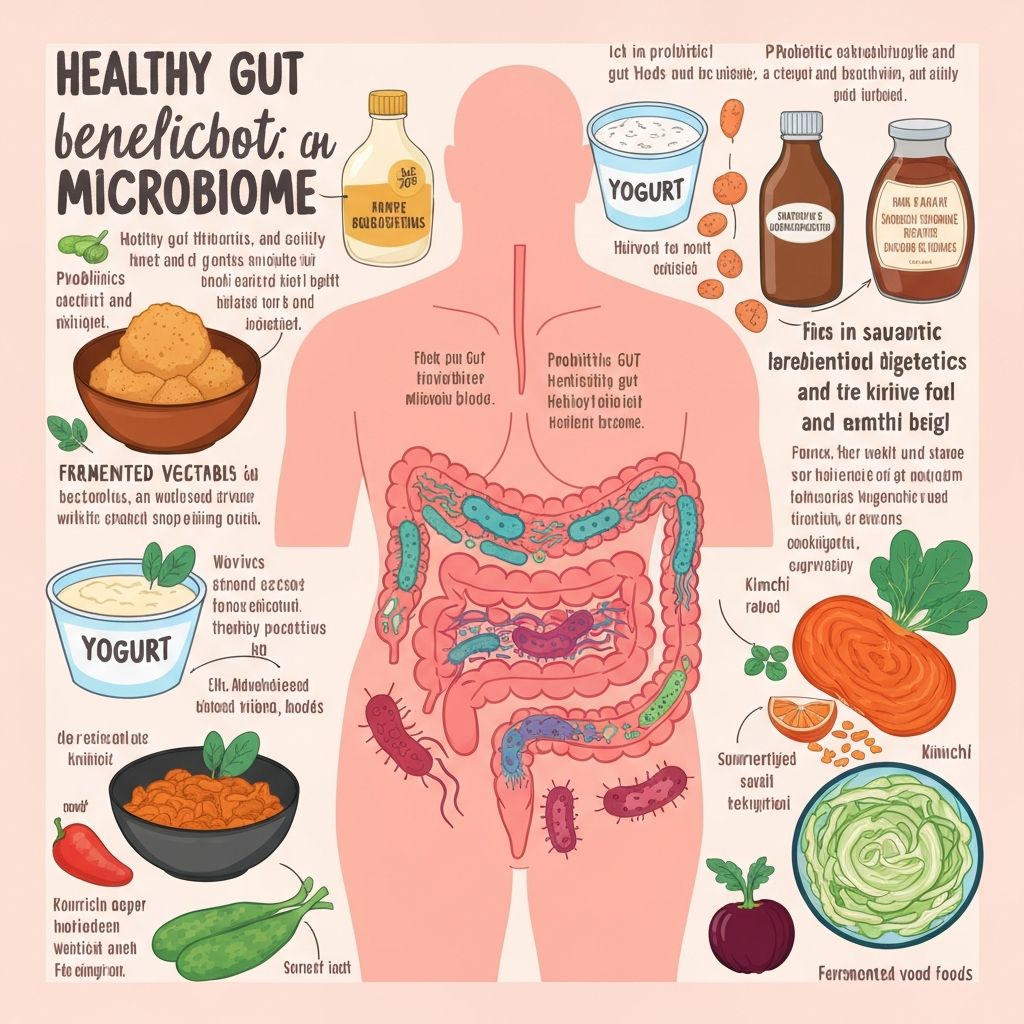
Digestive Health and Nutrient Absorption
A healthy digestive system is crucial for properly absorbing the nutrients from your food. The gut microbiome plays a vital role in digestion, immune function, and overall health.
Supporting Digestive Wellness
- Include fiber-rich foods for digestive support
- Consume fermented foods like yogurt and sauerkraut
- Stay adequately hydrated
- Manage stress levels
- Maintain regular physical activity
The Science Behind Adaptogens
Adaptogenic herbs have been used in traditional medicine for centuries. These compounds are traditionally understood to support the body's natural stress response and promote resilience.
How Adaptogens Work
Adaptogens are believed to help the body maintain balance (homeostasis) by supporting natural stress management pathways. Traditional practices suggest they may help the body adapt to various stressors, whether physical, mental, or environmental.
While traditional use spans centuries, modern research continues to explore these compounds' mechanisms and potential applications.
Frequently Asked Questions on Male Nutrition
How much water should I drink daily?
General recommendations suggest about 2-3 liters of water daily, though individual needs vary based on activity level, climate, and overall health. Listen to your body's thirst cues.
What's the best time to exercise?
The best time is when you're most consistent with it. Some prefer morning workouts, while others find evening sessions work better with their schedule.
Can I get all nutrients from diet alone?
A well-balanced diet provides most nutrients your body needs. However, depending on individual circumstances, some people may benefit from targeted nutritional support.
How long does it take to see health improvements?
Health improvements vary by individual and depend on current habits, genetics, and consistency. Generally, lifestyle changes take several weeks to months to show noticeable effects.
Should I consult a healthcare provider?
Yes, consulting with a healthcare provider or registered dietitian is highly recommended before making significant dietary or supplement changes, especially if you have existing health conditions.
What about supplement interactions?
Some supplements may interact with medications or other supplements. Always discuss your complete supplement regimen with your healthcare provider.

Additional Resources
For more detailed information on men's health and nutrition, explore our dedicated resources section. Learn more about specific nutrients, lifestyle practices, and evidence-based wellness approaches.
Explore Our GuidesImportant Note
Please note: The information provided on this website is for educational purposes only and is not intended as individual medical advice. It does not replace consultation with a qualified healthcare professional. Nutritional needs and approaches vary widely among individuals, and personal health decisions should always be made in consultation with a doctor or registered dietitian.
Educational content only. No promises of outcomes.